
The busywork tax
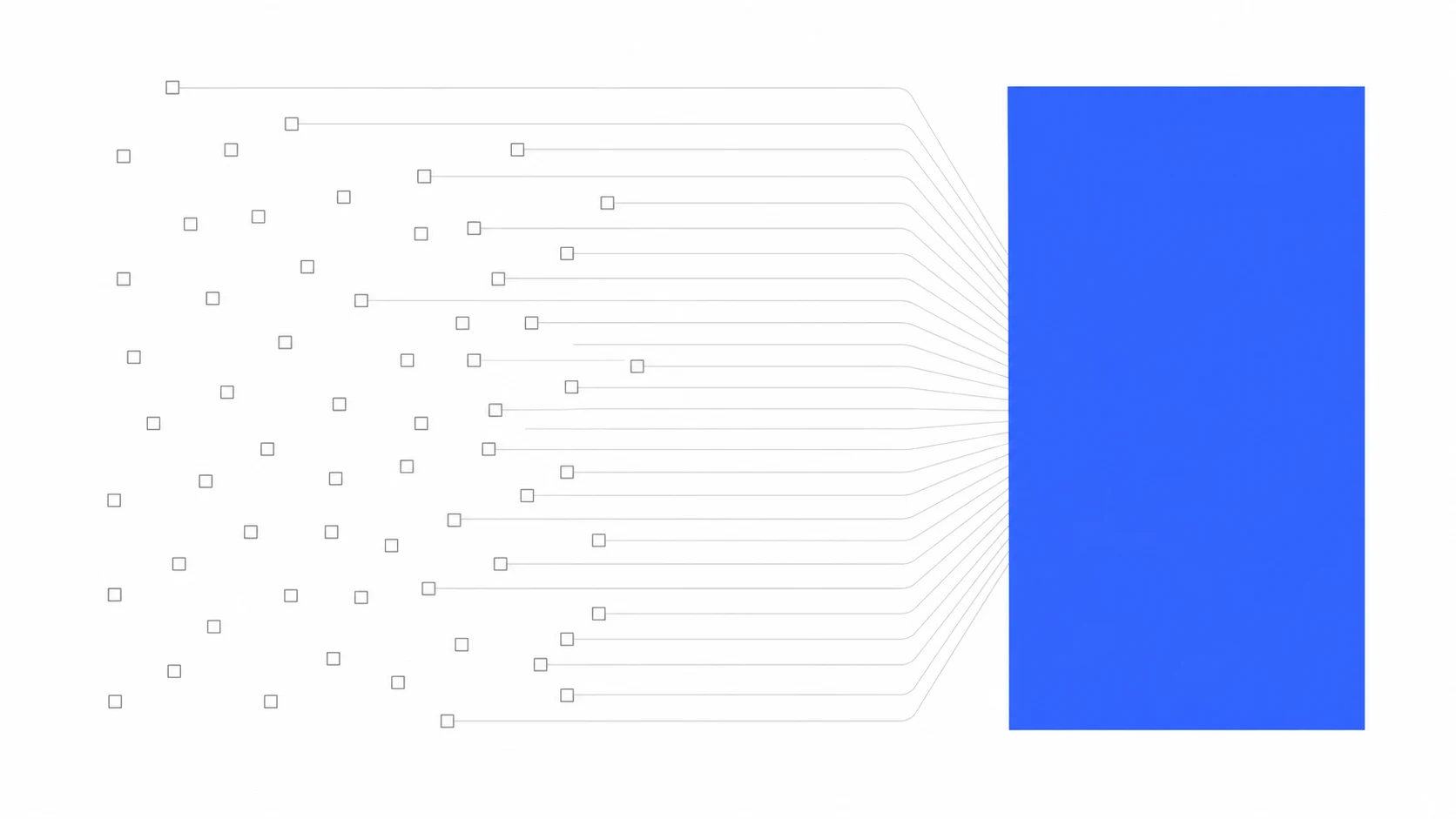
Nobody puts busywork on a roadmap. That’s precisely why it’s expensive.
It doesn’t show up in planning because it isn’t a project. It shows up as fifteen minutes here, a copy-paste there, a status update that three people write in three formats for two audiences. It never appears in a quarterly review, and it never gets a line item — but it eats a full day a week, quietly, from the people you can least afford to have doing it.
The tax has three properties that make it uniquely worth attacking first:
- It’s frequent. Anything that happens fifty times a week compounds faster than the impressive thing that happens twice.
- It’s low-risk. Getting a draft summary slightly wrong costs a re-read. Getting a pricing decision wrong costs money.
- It’s already correct. The people doing it know exactly what “right” looks like, which means you can check the machine against them.
Compare that to the seductive alternative: the ambitious agent that touches the revenue-critical path, needs six approvals, and fails in ways nobody can see for a month.
One of those pays back in a week. The other pays back in a slide deck.
Start with the tax.

Nikita started Silow after watching company after company buy AI it never used — the tools were fine, but nobody could say which work was worth automating. He leads product and the company, and writes most of what you read here.