
Why your AI roadmap should never send data outside your walls
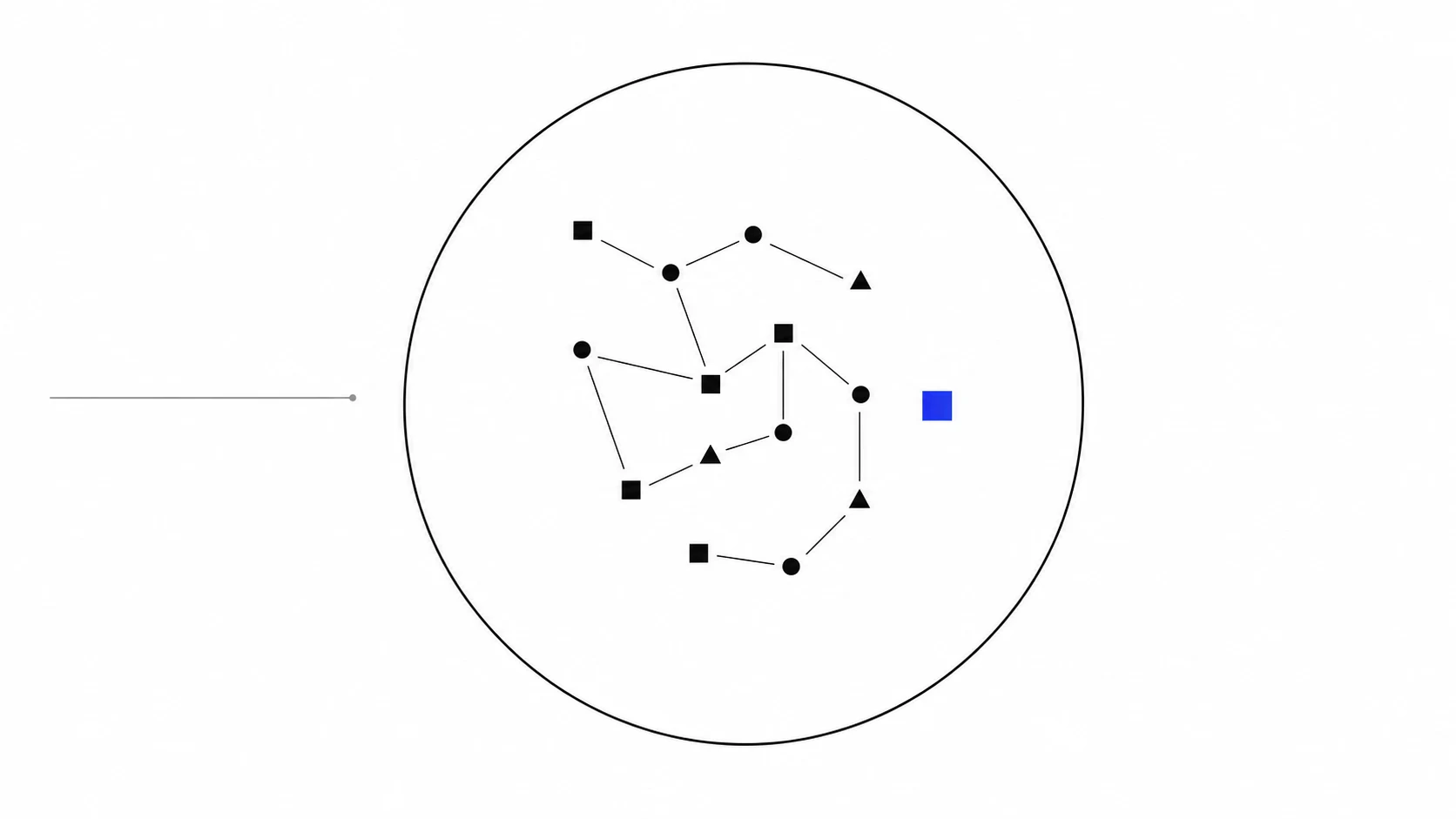
TL;DR: Where an AI tool processes your work data is a design choice, and you should make it deliberately. Ask any vendor: where is raw data processed, what is stored, who can see it, can you delete it. Silow offers two modes — zero-access, where raw captures never leave your perimeter, and the default cloud-pipeline, where captures are filtered and anonymized server-side and raw data is deleted within 48 hours. In neither mode do we train on your data.
Here is the uncomfortable part of most AI plans: the first thing they do is ship your data somewhere else. Screens, documents, messages, the record of how your company actually works — all of it flows out to a third-party cloud so a model can read it. That is exactly backwards. Where your data is processed isn’t a compliance checkbox. It’s how you keep the one thing that was supposed to be your advantage.
Your data is the moat, not the model
We’ve said this before: anyone can rent the same models. What they can’t rent is the specific shape of your work — how decisions get made, where the hours go, which knowledge lives in which head. That signal is your edge.
So look at what happens when you send it out. The raw material of your advantage now sits in someone else’s environment. Best case, it trains nothing and stays private. But you are trusting a policy, not a perimeter. You have handed the most revealing dataset about your company to a vendor whose incentives are not identical to yours, and you’ve done it in exchange for a feature you could have run closer to home.
If the data is the moat, exporting it to fill up someone else’s is a strange way to defend it.
Every export adds drag
Set aside the strategic argument for a second. The practical cost of sending data out is real and it compounds.
- Security surface. Every external destination is another place to be breached, another vendor to audit, another set of credentials to rotate. You don’t control their stack, but you own the incident.
- Legal and compliance. GDPR, the EU AI Act, sector rules, cross-border transfer restrictions. The more raw data leaves your walls, the more a security and legal review turns into a project. Deals slow down. Reviews take months, not days.
- Vendor lock-in. When your workflow map lives in someone else’s product, your advantage leaves with them. Change providers and you start over.
None of this drag serves your business. It exists because of an architecture choice — how much data you send out, and where it’s processed — that you get to make on purpose instead of by default.
The answer: bring the model to the data
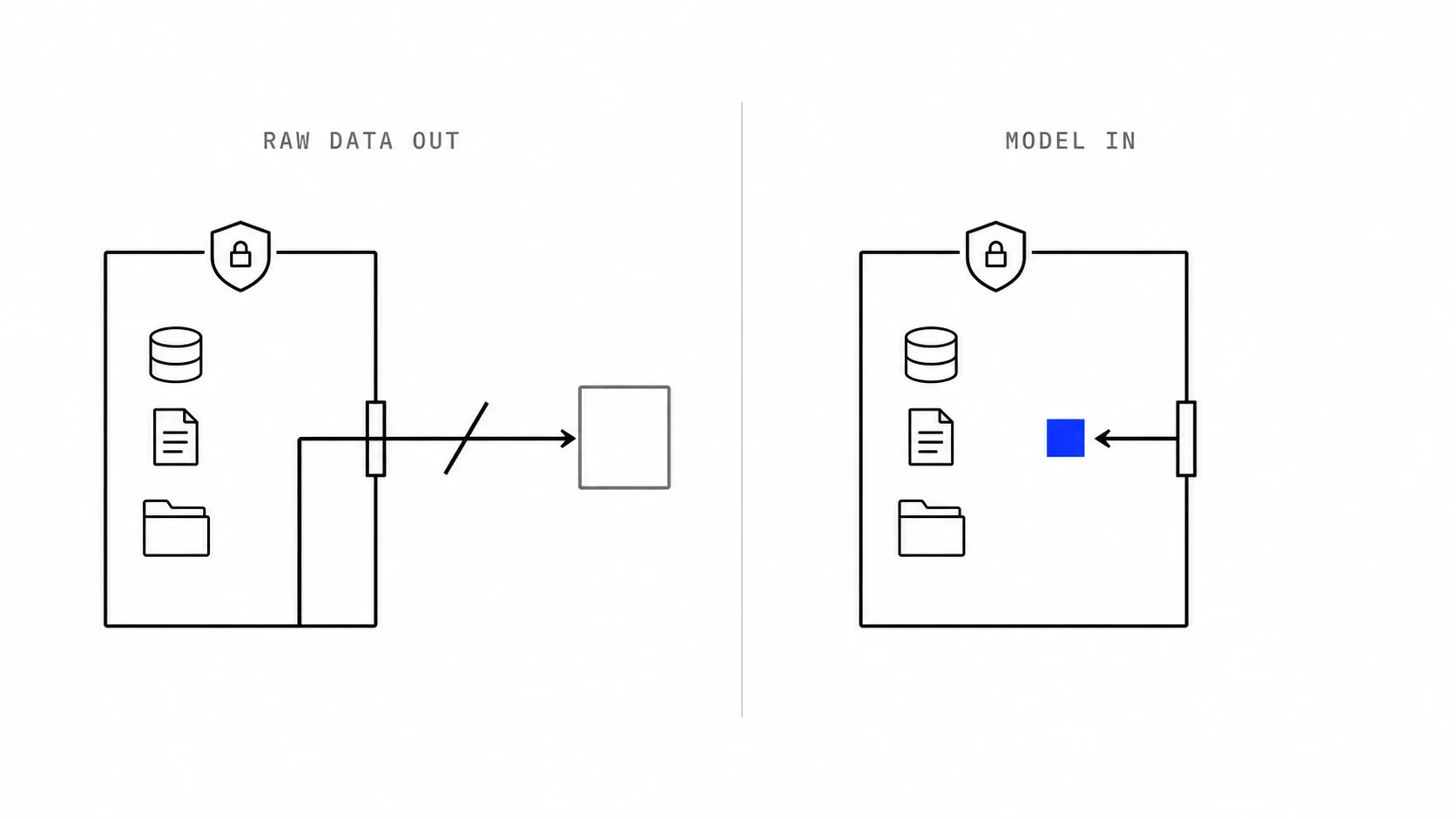
The fix is simple to state. Don’t move all your data to the AI. Move the AI toward your data. Minimize what you export. Control where it’s processed. Never let your work train a shared model. And design for that on day one, not after ten workflows already depend on shipping data out.
That’s a principle, not a slogan, so it has to be checkable. The right questions are concrete: what actually leaves my environment, where does it get processed, what’s stored, for how long, and does any of it train someone else’s model. A serious tool can answer those in plain language. Below is how we answer them.
How this works in Silow
You choose the mode. That choice decides exactly where your raw captures are processed.
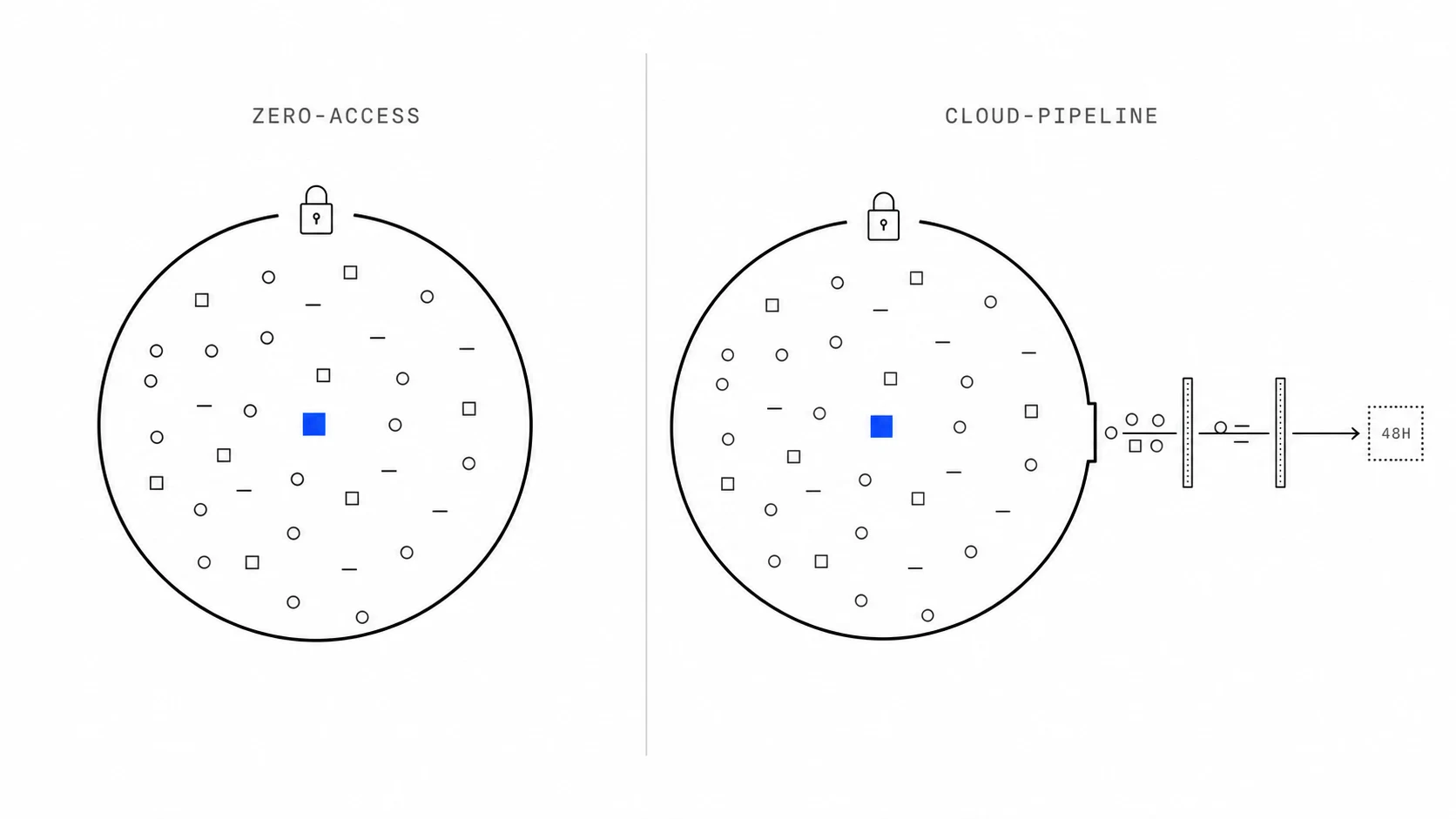
Zero-access — self-hosted, in your VPC, or on-prem. This is the mode that literally keeps everything inside your environment. Silow does not receive, access, or store your raw captures. Raw data is processed in place, and only the derived insights — the map, the recommendations — are stored where you control them. If a buyer needs “nothing raw ever reaches the vendor” as a hard requirement, this is the mode for that requirement.
Cloud-pipeline — the default managed mode. Here raw captures do transit to Silow’s cloud, where they’re filtered and anonymized server-side, then deleted within 48 hours. Personal data is stripped from what we keep. No human reviews your raw captures.
In neither mode do we train on your data — not a shared model, not our own.
Both modes share the same boundaries by design. Silow captures no keystrokes, no webcam or microphone, no message content. It produces no individual scoring, no emotion inference, and no automated employment decisions. It maps how work flows, not how a given person performs.
So the short version is this: you pick the mode. Zero-access keeps everything inside your environment. The default pipeline strips personal data and keeps raw captures for at most 48 hours.
What “inside your walls” should actually mean
Privacy claims are cheap, so hold your AI roadmap to a concrete standard. Ask any tool, including ours:
- Where is raw data processed, and what leaves my environment?
- What is stored, where, and for how long?
- Can I delete it on request, completely?
- Does any of my data train a shared model? (The right answer is no.)
- Who — human or otherwise — can see the raw input?
Here’s how we answer, by mode. In zero-access: raw captures are processed in place and never reach us, so nothing raw leaves your environment. In cloud-pipeline: raw captures transit to our cloud, get filtered and anonymized, and are deleted within 48 hours; personal data is stripped; and no human reviews raw captures.
In neither mode do we train on your data. If deleting data is a hard requirement, on-premise is the mode built for it.
On paperwork, we say what’s true and not more. An Article 28 processor DPA is available today. SOC 2 is in progress and ISO 27001 is on the roadmap — not done, not claimed as done. Ask any vendor for the DPA and the current audit status in writing, and expect to have both before you sign.
Design for it from the start
The reason this matters at the roadmap stage, not later, is that data flow is an architecture decision. It’s cheap to get right on day one and expensive to unwind once ten workflows already depend on shipping data out. Teams that treat privacy as a launch feature spend the next two years retrofitting it under audit pressure.
Decide up front how much data leaves your environment and where it gets processed. Then every AI project you rank inherits that property for free. Security becomes a reason to move faster, not a reason to stall.
Where to start
You can have both: real AI leverage and tight control over where your work data goes. It’s a design choice, and it’s available from the first day.
That’s the choice we built Silow around. It maps how your team works and turns it into a ranked AI roadmap you own — deployed where your work already lives, in the mode you choose. Need raw data to never reach us? Run zero-access. Prefer the managed pipeline? It still strips personal data, deletes raw captures within 48 hours, and never trains on your data.
If control over where your data is processed is non-negotiable — book a call.

Nikita started Silow after watching company after company buy AI it never used — the tools were fine, but nobody could say which work was worth automating. He leads product and the company, and writes most of what you read here.